

Summer Tire Service Guide for Treasure Coast Drivers
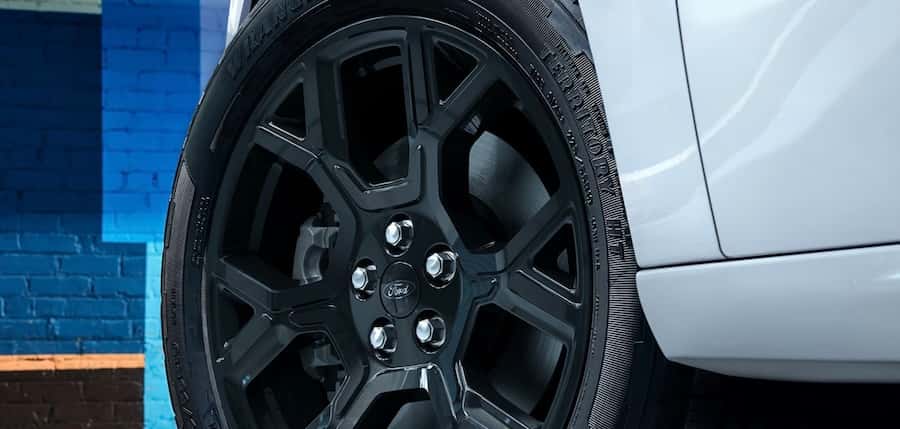
The intense Florida sun and high humidity do more than just make the afternoon commute uncomfortable; they actively accelerate the wear on your vehicle’s tires. In a climate where road surface temperatures frequently soar, the rubber compounds in your tires are subjected to immense thermal stress. This heat can cause the rubber to break down faster than it would in cooler regions, making proactive monitoring essential for anyone navigating the local marinas or the Stuart Historic Downtown District. When tires are neglected in these conditions, the risk of a high-speed blowout on the interstate increases significantly.
Maintaining your tires is a critical part of the long-term ownership experience, ensuring your Ford retains its safety and performance for years to come. For instance, the 2026 Ford F-150 relies on a robust set of tires to manage the power of its 5.0L V8 engine and its 4WD system. If the tread is compromised by heat-induced dry rot or uneven wear, the truck’s ability to maintain traction during a sudden Treasure Coast downpour is diminished. We recommend that you perform a physical inspection of your sidewalls at least once a month to look for small cracks or “weather checking” caused by UV exposure.
If you notice any vibrations in the steering wheel or see visible damage to the tire carcass, it is time to have a professional technician evaluate the set. You can reach our service advisors at (772) 287-0955 to discuss any performance symptoms you are experiencing. Staying ahead of these environmental stressors prevents the frustration of a breakdown at the height of a summer heatwave. For those ready to visit us for a professional evaluation, our service center location is easily accessible for drivers across the region, and we are ready to assist you.
The Role of Tire Rotations in the Florida Climate
Does the standard maintenance schedule really account for the stop-and-go coastal driving found in our area? Ford’s official maintenance schedule for recent models, including the 2026 Ford Maverick, specifies that a tire rotation should occur every 7,500 miles. However, many local drivers find that rotating tires every 5,000 to 6,000 miles is more effective at combatting the unique wear patterns caused by our flat terrain and frequent U-turns. Regular rotation ensures that all four tires wear at an even rate, which is particularly important for front-wheel-drive and all-wheel-drive configurations where the front tires handle the bulk of steering and braking forces.
Skipping a recommended rotation leads to asymmetrical wear, which can shorten the lifespan of a tire by thousands of miles. This is a common concern for professionals in Port St. Lucie who may be racking up highway miles on a daily commute. When tires wear unevenly, it can also lead to increased road noise and a decrease in fuel efficiency. For a vehicle like the 2026 Ford Maverick, which achieves an impressive 40 mpg city / 34 hwy, maintaining low rolling resistance through even tire wear is key to preserving those economy figures.
Our team is dedicated to providing specialized Florida car care that goes beyond a simple oil change. To see how we support local owners, you can learn more about our team and our commitment to the community. When your vehicle is due for its next interval, you can schedule your maintenance online to ensure your tires are rotated and inspected by Ford-certified technicians. We also make it easy to book a specific time that fits your busy schedule, allowing you to maintain your vehicle without disrupting your day.
Managing Tire Pressure Under the Sunshine State Sun
How often should you actually check your tire pressure when the ambient temperature is constantly shifting? Ford service guidance recommends a pressure check at least once a month and before any long road trips. In Stuart, a 10-degree change in temperature can result in a 1-psi change in tire pressure. While modern Fords are equipped with Tire Pressure Monitoring Systems (TPMS), these alerts often only trigger once a tire is significantly under-inflated. Manually checking the levels ensures you are operating at the optimal pressure for safety and tire longevity.
Under-inflation is a primary cause of tire failure in hot climates because it causes the sidewalls to flex excessively, generating even more internal heat. For a heavy-duty vehicle like the 2026 Ford Super Duty F-250, maintaining the correct PSI is vital for handling the high-load demands of towing and hauling. If you are using your truck for work sites or outdoor recreation, check the pressure while the tires are “cold”—meaning the vehicle has been parked for at least three hours—to get the most accurate reading.
Properly inflated tires do more than just prevent blowouts; they also ensure that your safety systems, such as Ford Co-Pilot360, function as intended. While you are focused on maintaining your current vehicle, you might also want to browse our current offers to see the latest technology available in the new Ford lineup. Keeping your tires at the manufacturer-recommended levels, usually found on the sticker inside the driver’s side door jamb, is the simplest way to protect your investment and your passengers.
Diagnosing Wear and Testing Tread Depth at Home
One of the first things we show owners during a multi-point inspection is how to identify different types of tread wear. While the “penny test” is a classic method—inserting a penny into the tread with Lincoln’s head upside down to see if the top of his head is covered—it is often considered a bare minimum. Ford-certified standards actually suggest considering replacement when tread depth reaches 5 mm, which is about 6/32 of an inch. This stricter threshold ensures that the tire can still effectively displace water, reducing the risk of hydroplaning on wet Florida roads.
Different wear patterns can tell a story about your vehicle’s health:
- Inner or Outer Edge Wear: Often indicates a wheel alignment issue or worn suspension components.
- Center Wear: Usually a sign of over-inflation, causing the middle of the tire to bulge and take the brunt of the load.
- Cupping or Scalloping: Often points to worn shocks or struts, which allow the tire to “bounce” as it rolls.
- Patchy Wear: Can suggest that the tires are out of balance.
If you are performing a home check in Jensen Beach, pay close attention to the built-in tread wear indicator bars. These are small bridges of rubber that sit in the grooves of the tire. When the tread is worn down to be flush with these bars, the tire has reached the legal limit of 2/32 of an inch and is no longer safe for use. Beyond just tread depth, look for bulges or “bubbles” in the sidewall, which indicate that the internal structure of the tire has failed. These are urgent issues that require immediate professional attention to avoid a dangerous failure.
Deciding Between Tire Repair and Full Replacement
I often hear from drivers wondering if a simple patch is enough to save a tire after picking up a nail. The answer depends entirely on the location and size of the damage. According to industry standards followed by our technicians, a puncture can typically be repaired if it is 1/4 inch in diameter or smaller and is located within the “crown” or center tread area. If the puncture is on the shoulder or the sidewall, a repair is not safe because those areas experience the most flex and stress while driving.
For owners of the 2026 Ford F-150, we always check the internal liner of the tire during a repair. If the tire was driven on while flat, even for a short distance, the internal structure may be shredded, making the tire unsafe to reuse. If a replacement is necessary, it is best to replace tires in pairs or full sets of four to maintain consistent handling and traction. This is especially true for the 2026 Ford Maverick with its 4WD system, as mismatched tire diameters can put undue strain on the drivetrain.
When a new tire is required, our team can help you order the correct tires for your specific trim and wheel size. Using original equipment manufacturer (OEM) tires ensures that the speed rating, load index, and rubber compound match the factory specifications for your Ford. You can also reach out to our parts specialists to compare different tire brands that are optimized for the Florida climate, such as those with high “Traction” and “Temperature” ratings.
Professional Tire Maintenance and Alignment at Our Stuart Service Center
Misalignment is often the leading cause of premature tire wear, and it can happen slowly over time or suddenly after hitting a deep pothole. We recommend having your wheel alignment checked every 12,000 to 15,000 miles or at least once a year. Common indicators that your 2026 Ford Super Duty F-250 needs an alignment include the vehicle pulling to one side or a steering wheel that is off-center while driving straight. Our Stuart service center uses precision laser equipment to ensure your wheels are set to the exact factory specifications.
Our technicians also perform high-speed computer balancing whenever a tire is mounted or rotated. This process ensures that the weight of the tire and wheel assembly is distributed evenly, preventing the vibrations that can lead to uneven wear and suspension damage. For those driving a 2026 Ford F-150 with the Connectivity Package, maintaining a smooth ride is essential for the comfort of the cabin and the longevity of the vehicle’s electronic sensors.
If you have questions about your tire health or are ready for a professional inspection, you can give us a call to speak with a service advisor. We are committed to keeping Treasure Coast drivers safe on the road with manufacturer-backed service quality. For those coming in from the surrounding areas, you can find our address here and stop by for a multi-point inspection.
Quick Answers Regarding Ford Tire Service
Q: Does Ford Roadside Assistance help with flat tires in Stuart?
Yes, Ford Roadside Assistance is included with your new vehicle warranty for 5 years or 60,000 miles. If you experience a flat tire, you can call Ford Roadside Assistance: 1-800-241-3673 for help. They can install your spare tire or tow your vehicle to an authorized service center like ours if a spare is not available.
Q: Why do my tires seem to lose pressure faster in the summer?
While heat actually increases tire pressure, the high temperatures in Florida can accelerate the natural permeation of air through the tire’s rubber. Additionally, the extreme heat can stress the tire valves and seals. Checking your pressure monthly ensures you catch these small deviations before they impact your fuel economy or safety.
Q: Is a tire rotation included in my Ford’s “The Works” package?
Yes, a tire rotation is a standard part of “The Works” maintenance package at our service center. This comprehensive service also includes an oil and filter change, a brake inspection, a fluid top-off, and a multi-point inspection to ensure your Ford is ready for the local climate.
Q: Can I replace just one tire if the others are still in good shape?
If the other tires have very little wear (typically 8/32 of an inch of tread or more), replacing just one tire may be acceptable. However, for most vehicles, especially those with 4WD or AWD like the 2026 Ford Maverick, we recommend replacing tires in pairs on the same axle to ensure balanced handling and to prevent damage to the drivetrain.
Q: How long do tires typically last for drivers on the Treasure Coast?
While many tires are rated for 50,000 miles or more, the heat and abrasive road surfaces in Florida often result in a shorter lifespan. Most local drivers find they need to replace their tires every 3 to 4 years or roughly every 30,000 to 40,000 miles, depending on their driving habits and how strictly they follow rotation schedules.

0 comment(s) so far on Summer Tire Service Guide for Treasure Coast Drivers