

How Do You Choose the Right Ford Transit Cargo Van for Your Business?
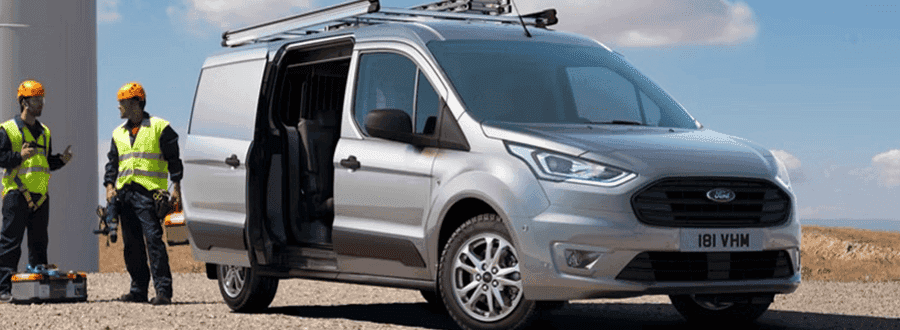
To choose the right Ford Transit Cargo Van for your business, evaluate your specific payload requirements, cargo volume dimensions, route conditions, and standing height needs. Selecting between T-150, T-250, T-350, and T-350 HD series—combined with low, medium, or high roof heights and regular, long, or extended body lengths—ensures your van matches daily operational demands without overpaying for unused capability.
Selecting a commercial work van requires matching vehicle specifications directly to your daily operating routine. Business owners often struggle when forced to balance physical cargo size against maximum weight thresholds. A van configured solely for high cargo volume may lack the suspension rating required for heavy machinery, while a heavy-duty model might lack the interior standing height needed for efficient mobile service work. Evaluating how your inventory, tools, and crew move throughout the workday prevents costly under-capacity or over-specifying.
Local businesses operating near the St. Lucie River and surrounding coastal marine corridors require configurations tailored to humid conditions and specialized equipment hauling. Whether outfitting a mobile marine repair service, electrical contracting fleet, or regional delivery route, building around exact vocational needs yields lower long-term operational costs and improved job site efficiency.
Our commercial sales team helps local business owners evaluate exact payload demands and body dimensions to streamline the purchasing process. To explore available commercial models in person or speak directly with our fleet specialists, stop by our showroom at 4000 Se Federal Hwy or give our team a quick call at (772) 287-0955 today.
Which Ford Transit Cargo Van Configurations Fit Best for Stuart Business Routes?
Matching the optimal Ford Transit configuration to your commercial routes requires balancing body length, roof height, and Gross Vehicle Weight Rating (GVWR) against your daily cargo footprint. The lineup offers three body lengths, three roof heights, two wheelbases, and four capability series ranging from standard light-duty hauling up to heavy commercial ratings.
The series breakdown determines how much weight your van can legally and safely carry:
- T-150: Ideal for standard service trades, light parcel delivery, and small business operations requiring agile handling.
- T-250: The versatile workhorse for general contractors, plumbing operations, and moderate equipment loads.
- T-350: Built for heavy cargo demands, packed delivery routes, and dense equipment storage.
- T-350 HD: Features single-rear-wheel or dual-rear-wheel setups engineered for maximum payload applications up to an 11,000-pound GVWR.
Body lengths span regular (130-inch wheelbase), long (148-inch wheelbase), and extended-length variations on the 148-inch platform. Roof choices dictate overall vehicle height, ranging from low-roof models that clear standard parking structures to high-roof variants that accommodate tall cargo and upright interior assembly work.
Commercial buyers evaluating pre-owned additions to their active fleets can browse our pre-owned commercial vehicle inventory to compare various body styles and weight ratings currently available on our lot.
Our commercial specialists typically see local trade contractors compare medium-roof, long-wheelbase configurations first before deciding whether their payload demands require stepping up to dual-rear-wheel heavy-duty models.
Which Ford Transit Engine and Drivetrain Best Handles Heavy Commercial Hauling?
The available 3.5L EcoBoost V6 engine paired with Intelligent AWD is the definitive choice for heavy commercial hauling and high-load routes. Generating 300 hp and 400 lb-ft of torque, it delivers significant low-end pulling power compared to the standard naturally aspirated V6.
Ford equips the Transit Cargo Van with two distinct powertrain choices, both paired with a smooth-shifting 10-speed automatic transmission:
- 3.5L PFDi V6: Generates 275 hp and 260 lb-ft of torque, utilizing port-fuel and direct-injection technology to deliver balanced output for standard urban delivery and light service routes.
- 3.5L EcoBoost V6: Produces 300 hp and 400 lb-ft of torque, utilizing twin turbochargers to deliver immediate low-end grunt required for pulling heavy trailers or transporting max-payload upfits.
Standard rear-wheel drive provides predictable handling and weight distribution under load. For drivers navigating slick boat ramps, unpaved job sites, or sudden tropical downpours in Stuart, available Intelligent AWD continuously monitors traction to distribute torque between the front and rear axles without elevating the cargo load floor.
Businesses looking for high-value fleet expansions backed by rigorous inspection standards can explore our certified pre-owned commercial Ford models for reliable powertrain performance.
What Cargo Space Dimensions and Standing Heights Does the Ford Transit Offer Across Wheelbases?
The Ford Transit Cargo Van provides interior cargo volumes ranging from 247 cubic feet in the regular-wheelbase low-roof trim up to 487 cubic feet in the extended-length high-roof configuration. Interior standing height expands from 57 inches on low-roof models to 72 inches on medium-roof models and up to 82 inches on high-roof variants.
Interior dimensions vary by roof and length selection:
- Low Roof: Offers approximately 57 inches of cargo height and 247 to 278 cubic feet of maximum cargo volume.
- Medium Roof: Increases cargo height to 72 inches and expands cargo volume up to 357 cubic feet.
- High Roof: Provides up to 82 inches (6 feet 10 inches) of interior standing height and up to 487 cubic feet of total cargo storage.
In Stuart, where local HVAC, plumbing, and electrical trade contractors operate in intense summer heat, an enclosed high-roof cabin with nearly 82 inches of standing height allows technicians to work comfortably out of the sun while organizing tools along interior shelving.
Maximizing interior usable space depends as much on door clearance and wheelhouse width as total volume. Wide side-sliding door openings and rear doors that open up to 253 degrees allow forklift loading of standard pallets directly into the cargo bay.
If you are planning to upgrade your commercial fleet, our trade-in specialists can help you value your trade-in online to apply your existing vehicle’s equity toward a new cargo van.
What Is the Maximum Payload and Towing Capacity of the Ford Transit Cargo Van?
When properly equipped in a T-350 HD dual-rear-wheel high-roof extended configuration, the Ford Transit Cargo Van achieves a maximum payload capacity of 5,103 pounds. Maximum conventional towing reaches 6,900 pounds when configured with the 3.5L EcoBoost V6, rear-wheel drive, and the shorter wheelbase.
Achieving maximum ratings requires selecting the appropriate chassis, axle ratio, and towing equipment:
- Payload Capacity: Reaches up to 5,103 pounds on T-350 HD dual-rear-wheel models with an 11,000-pound GVWR. Single-rear-wheel configurations offer competitive payload figures calibrated to their respective GVWR class.
- Towing Capacity: Pulls up to 6,900 pounds with the Heavy-Duty Trailer Tow Package, which adds a frame-mounted hitch receiver, tow/haul drive modes, and specialized wiring harnesses.
Calculating usable payload requires factoring in the weight of installed shelving, steel partitions, auxiliary generators, ladder racks, and daily inventory. Permanently installed upfit equipment consumes payload before cargo is loaded, making accurate initial weight estimates critical.
To secure competitive rates and flexible commercial credit structures for your fleet upgrade, you can submit a commercial financing application online before visiting our showroom.
Common Commercial Buying Questions Before Selecting Your Ford Transit Cargo Van
Selecting the right commercial van involves addressing practical operational questions before putting a new vehicle into service.
Q: Which Ford Transit roof height is best for mobile service technicians?
The Medium Roof (72 inches of standing room) or High Roof (82 inches of standing room) is best for mobile service technicians who work inside the vehicle. High Roof models allow technicians up to 6 feet 9 inches tall to stand completely upright, reducing physical strain while accessing shelving, workbench setups, and tool drawers throughout the workday.
Q: Does all-wheel drive reduce the overall cargo floor height or payload?
Ford designed Intelligent AWD to integrate into the Transit chassis without raising the rear load floor height or altering step-in dimensions. While the AWD system adds a small amount of curb weight—which slightly adjusts net payload capacity—it maintains the exact same interior cargo volume and floor loading clearance as rear-wheel-drive models.
Q: What factory security features help protect valuable tools inside the van?
The available Ford Security Package offers connected theft-prevention technology designed to safeguard tools and inventory. Key capabilities include Theft Alerts sent directly to your device, Start Inhibit to prevent unauthorized engine restarts, and Stolen Vehicle Services to assist local law enforcement with vehicle tracking and recovery.
Q: How does standard warranty coverage protect commercial van investments?
Every new Ford Transit Cargo Van includes a 3-year/36,000-mile bumper-to-bumper warranty alongside a 5-year/60,000-mile powertrain warranty. Additional protection includes 5 years or 60,000 miles of roadside assistance coverage, ensuring quick help for flat tires or jump-starts while on commercial delivery routes.
Q: What initial documents should businesses bring to streamline vehicle delivery?
Business buyers should bring a legal business license, state tax identification numbers, commercial vehicle insurance details, and authorized signor documentation. Having these items ready allows our finance department to process commercial titling and registration efficiently during your visit.
To test-drive a Ford Transit, compare roof heights in person, or review current commercial vehicle options, visit our Stuart dealership location today. You can also explore our new Ford vehicle inventory online or contact our commercial sales department by calling (772) 287-0955 to schedule a dedicated consultation for your business fleet.
Prices and MSRP referenced in this article are estimates for informational purposes only and do not constitute an offer to sell. See dealer for complete details.
Fuel economy estimates shown may differ from official EPA ratings and should not be relied upon as a guarantee of actual vehicle performance.

0 comment(s) so far on How Do You Choose the Right Ford Transit Cargo Van for Your Business?